Showing posts with label diamond. Show all posts
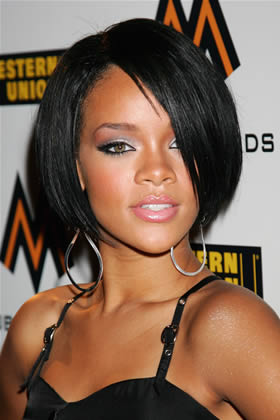 heart face shape and a dramatic oval face shape a diamond face shapehttps://blogger.googleusercontent.com/img/b/R29vZ2xl/AVvXsEia0rBQqr_oU69RA6aT33bj18s5pqNZuadKmdrBhctRAZv5aNozyI3mOyH43p7cOI55aFMlB-Y5mjF_HsqCeaPmAAaDxSKAx7RGTxx-KexBYiVxBgbJCnYBHb8t1kC96eGxH09pYagNWyTC/s1600/Diamond-Face-Shape-hairstyles.jpg
Blunt cut, stylish hairstyle for diamond face shape women
A hairstyle, hairdo, or haircut refers to the styling of mane, usually on the real human scalp. Sometimes, this could also mean an editing of beard hair. The fashioning of hair can be considered an element of personal grooming, fashion, and cosmetics, although practical, cultural, and popular things to consider effect some hairstyles also. The oldest known depiction of hair braiding goes back about 30,000 years. In ancient civilizations, women's mane was often elaborately and carefully dressed up in special ways. In Imperial Rome, women used their scalp in complicated styles. From the time of the Roman Empire[citation needed] before Middle Ages, the majority of females grew their hair so long as it could expand naturally. During the Roman Empire as well as in the 16th century under western culture, women started out to wear their hair in ornate styles extremely. Inside the later half of the 15th century and on in to the 16th century an extremely high hairline on the forehead was considered attractive. During the 16th and 15th decades, European men wore their wild hair cropped no than shoulder-length much longer. In the first 17th century male hairstyles grew longer, with waves or curls being considered desirable.
The male wig was pioneered by Ruler Louis XIII of France (1601-1643) in 1624. Periwigs or perukes for men were created into the English-speaking world with other French styles in 1660. 17th-century wigs were lengthy and wavy late, but became shorter in the mid-18th century, where time these were white normally. Short hair for fashionable men was something of the Neoclassical movement. In the first 19th century the male beard, and moustaches and sideburns also, made a solid reappearance. Through the 16th to the 19th century, European women's hair became more visible while their scalp coverings grew smaller. In the middle of the 18th hundred years the pouf style developed. Through the First World War, women around the world started to shift to shorter hairstyles that were better to manage. In the early 1950s women's hair was generally curled and worn in a number of styles and lengths. In the 1960s, a lot of women started to wear their scalp in a nutshell modern cuts like the pixie cut, while in the 1970s, hair tended to be much longer and looser. In both 1960s and 1970s many men and women wore their wild hair very straight and long. Inside the 1980s, women pulled back their hair with scrunchies. Through the 1980s, punk hair styles were used by some cultural people.
Throughout times, folks have worn their locks in a multitude of styles, largely determined by the fashions of the culture they live in. Hairstyles are markers and signifiers of social class, age, marital status, racial identification, political beliefs, and attitudes about gender.
In many ethnicities, often for religious reasons, women's head of hair is protected while in public, and in some, such as Haredi Judaism or Western Orthodox communities, women's scalp is shaved or cut very brief, and covered with wigs.Only because the end of World Conflict I have women begun to wear their wild hair short and in fairly natural styles.
Paleolithic
- The oldest known reproduction of scalp braiding lies back again about 30,000 years: the Venus of Willendorf, now known in academia as the Woman of Willendorf, of a lady figurine from the Paleolithic, predicted to possess been made between about 28,000 and 25,000 BCE.The Venus of Brassempouy counts about 25,000 years old and indisputably shows hairstyling.
Bronze Age
- In Bronze Get older razors were known and used by some men, however, not on a daily basis since the procedure was rather annoying and required resharpening of the tool which reduced its strength.
Ancient history
- In historic civilizations, women's wild hair was often elaborately and carefully dressed up in special ways. Women colored their mane, curled it, and pinned it up (ponytail) in many ways. They collection their head of hair in curls and waves using wet clay, that they dried out in sunlight and then combed out, if not by by using a jelly made of quince seeds soaked in water, or styling tongs and styling irons of various kinds.
Roman Empire and DARK AGES
- Between 27 BC and 102 AD, in Imperial Rome, women wore their scalp in complicated styles: scores of curls on top, or in rows of waves, drawn back into braids or ringlets. Eventually noblewomen's hairstyles grew so complex that they required daily attention from several slaves and a stylist in order to be maintained. The head of hair was lightened using wood ash, unslaked lime and sodium bicarbonate, or darkened with copper filings, oak-apples or leeches marinated in wines and vinegar. It had been augmented by wigs, pads and hairpieces, and held set up by nets, pins, pomade and combs. Beneath the Byzantine Empire, noblewomen covered the majority of their hair with silk caps and pearl nets.
Best Hair Styles For Diamond Face Women
- Women with diamond face condition generally have wider cheekbones and narrow jaw. The styling strategy will be quite similar compared to that of heart condition as the facial platform is the same. Only some moderate alterations in the face can be depicted in diamond molded face. Now you can find a variety of hairstyles for females with diamond shaped face. Why don't we have a look at a few of the fascinating hair styles that may be adopted for a number of purposes such for party, official visits or that of casual deal. You can also get some basic idea from your hair stylists to look different and gorgeous in each occasion.
Hairstyles For Your Face Shape: 5 Ways To Find The Best One For You
 http://files.wdaily.ca/7face-shape-diamond-small.jpg
Best Hairstyles for Your Face Shape – Diamond
 http://www.insideoutstyleblog.com/wp-content/uploads/2012/08/diamond-face-hairstyles.jpg
Hairstyles To Fit Your Different Face Shapes Short Hairstyle 2013
 http://www.etcfblog.com/wp-content/uploads/2012/05/Blunt-cut-hairstyles-with-bangs.jpg
Long Hairstyle with Side Bangs for Diamondshaped Women
 http://www.prettydesigns.com/wp-content/uploads/2013/09/Long-Wavy-Hairstyle-for-Diamond-shaped-Women7.jpg
OIP.M41ad4d3d8b8dd8194b6ca895ae3855e5H1
5A94FB62790C05E6D291F97BAA9F71217ECF7C2FDhttp://viilhvile.blogspot.com/2011/08/best-haircut-with-shape-of-face-latest.html
Embed Our image to your website
ThumbnailImageEmbed Our image to a Forum
ThumbnailImage
heart face shape and a dramatic oval face shape a diamond face shape
 Are you heart, square, round, diamond oblong or oval?http://dashbeauty.ca/images/articles/dash_-face_shapes.jpg
Chic short haircut for diamond face shape women
A hairstyle, hairdo, or haircut refers to the styling of hair, usually on the real human head. Sometimes, this may indicate an editing of beard scalp also. The fashioning of hair can be viewed as an element of personal grooming, fashion, and cosmetics, although practical, cultural, and popular considerations also influence some hairstyles. The oldest known depiction of hair braiding dates back about 30,000 years. In ancient civilizations, women's scalp was often elaborately and carefully dressed up in special ways. In Imperial Rome, women used their scalp in complicated styles. From enough time of the Roman Empire[citation needed] before Middle Ages, majority of the women grew their locks as long as it could in a natural way develop. Through the Roman Empire as well as in the 16th century under western culture, women started out to wear their hair in extremely ornate styles. Inside the later half of the 15th century and on into the 16th century an extremely high hairline on the forehead was considered attractive. Through the 16th and 15th ages, European men used their locks cropped no longer than shoulder-length. In the first 17th century male hairstyles grew longer, with curls or waves being considered suitable.
The male wig was pioneered by King Louis XIII of France (1601-1643) in 1624. Perukes or periwigs for men were unveiled in to the English-speaking world with other French styles in 1660. 17th-century wigs were lengthy and wavy late, but became shorter in the mid-18th century, where time these were white normally. Short hair for fashionable men was a product of the Neoclassical movement. In the first 19th hundred years the male beard, and moustaches and sideburns also, made a strong reappearance. From your 16th to the 19th century, European women's wild hair became more obvious while their head of hair coverings grew smaller. In the middle of the 18th century the pouf style developed. During the First World Conflict, women around the world started to shift to shorter hairstyles that were better to manage. In the first 1950s women's hair was generally curled and worn in a number of styles and lengths. In the 1960s, many women started to wear their scalp in short modern cuts including the pixie cut, while in the 1970s, wild hair tended to be longer and looser. In both 1960s and 1970s many men and women wore their hair lengthy and straight. Inside the 1980s, women pulled back their hair with scrunchies. Through the 1980s, punk hair styles were used by some people.
Throughout times, folks have worn their wild hair in a multitude of styles, largely determined by the fashions of the culture they live in. Hairstyles are markers and signifiers of social class, age, marital status, racial identification, political beliefs, and attitudes about gender.
In many civilizations, for religious reasons often, women's scalp is covered while in public, and in a few, such as Haredi Judaism or Western european Orthodox communities, women's locks is shaved or slice very short, and covered with wigs.Only since the end of World Warfare I've women started to wear their locks short and in rather natural styles.
Paleolithic
- The oldest known duplication of mane braiding lies again about 30,000 years: the Venus of Willendorf, known in academia as the girl of Willendorf now, of a female figurine from the Paleolithic, believed to get been made between about 28,000 and 25,000 BCE.The Venus of Brassempouy matters about 25,000 years of age and shows hairstyling indisputably.
Bronze Age
- In Bronze Time razors were known and used by some men, however, not on a daily basis since the technique was rather distressing and required resharpening of the tool which reduced its stamina.
Ancient history
- In traditional civilizations, women's mane was often elaborately and carefully dressed up in special ways. Women coloured their head of hair, curled it, and pinned it up (ponytail) in many ways. They set their locks in waves and curls using moist clay, which they dried out in the sun and then combed out, or else by by using a jelly made of quince seeds soaked in drinking water, or styling tongs and curling irons of various kinds.
Roman Empire and Middle Ages
- Between 27 BC and 102 Advertising, in Imperial Rome, women used their hair in complicated styles: scores of curls on top, or in rows of waves, attracted back to braids or ringlets. Eventually noblewomen's hairstyles grew so complex that they required daily attention from several slaves and a stylist to become maintained. The head of hair was often lightened using real wood ash, unslaked lime and sodium bicarbonate, or darkened with copper filings, oak-apples or leeches marinated in wines and vinegar. It was augmented by wigs, hairpieces and pads, and held set up by nets, pins, pomade and combs. Under the Byzantine Empire, noblewomen covered almost all of their hair with silk pearl and caps nets.
Best HAIRSTYLES For Diamond Face Women
- Women with diamond face form generally have wider cheekbones and narrow jaw. The styling strategy will be quite similar compared to that of heart condition as the facial platform is the same. Only some moderate modifications in the true face can be depicted in diamond molded face. You can now find a number of hairstyles for ladies with diamond shaped face. Let us check out some of the fascinating hairstyles that can be adopted for a variety of purposes such for party, official visits or that of informal deal. You can also get some idea from your hair stylists to look different and beautiful in each occasion.
shape hairstyles diamond face modern hairstyles for older women
 http://gvenny.com/images3/hairstyles-diamond-shape/hairstyles-diamond-shape-36_19.jpg
Best Hairstyles For Diamond Shaped Face
 http://www.stylepresso.com/wp-content/uploads/2016/02/Hairstyles-for-Diamond-Shaped-Face.jpg
Haircut and How It May Have Affected Her Style GLAMAZON DIARIES
 http://glamazondiarie.wpengine.netdna-cdn.com/wp-content/uploads/2013/04/Anne-Hathaway-Lead-Photo.jpg
Bob Hairstyle for Diamondshaped Women
 http://www.prettydesigns.com/wp-content/uploads/2013/09/Bob-Hairstyle-for-Diamond-shaped-Women1.jpg
OIP.M26c9e0ea181b194abea28e17f3b77fcao0
30B463EEAEC5D73A9958A69ECDFD3AB4DA29A0FEF4http://dashbeauty.ca/finding-the-perfect-hairstyle-for-your-face-shape-a5
Embed Our image to your website
ThumbnailImageEmbed Our image to a Forum
ThumbnailImage
Are you heart, square, round, diamond oblong or oval?
shape hairstyles diamond face modern hairstyles for older womenhttp://gvenny.com/images3/hairstyles-diamond-shape/hairstyles-diamond-shape-36_19.jpgChic short haircut for diamond face shape women
A hair, hairdo, or haircut refers to the styling of head of hair, on the real human scalp usually. Sometimes, this may mean an editing and enhancing of beard locks also. The fashioning of hair can be viewed as an element of personal grooming, fashion, and cosmetics, although practical, cultural, and popular considerations also influence some hairstyles. The oldest known depiction of hair braiding dates back about 30,000 years. In historic civilizations, women's scalp was often elaborately and carefully dressed in special ways. In Imperial Rome, women used their hair in complicated styles. From enough time of the Roman Empire[citation needed] before Middle Ages, many women grew their wild hair so long as it could normally increase. Through the Roman Empire as well as in the 16th century in the western world, women commenced to wear their hair in ornate styles extremely. Inside the later half of the 15th century and on in to the 16th century an extremely high hairline on the forehead was considered attractive. During the 16th and 15th ages, Western men used their wild hair cropped no than shoulder-length much longer. In the first 17th century male hairstyles grew longer, with waves or curls being considered desirable.
The male wig was pioneered by Ruler Louis XIII of France (1601-1643) in 1624. Periwigs or perukes for men were presented into the English-speaking world with other French styles in 1660. Late 17th-century wigs were very long and wavy, but became shorter in the mid-18th century, by which time they were normally white. Short hair for fashionable men was a product of the Neoclassical movement. In the first 19th century the man beard, and moustaches and sideburns also, made a strong reappearance. In the 16th to the 19th hundred years, European women's locks became more obvious while their mane coverings grew smaller. In the middle of the 18th century the pouf style developed. During the First World Conflict, women around the world started to shift to shorter hairstyles that were better to manage. In the first 1950s women's hair was generally curled and worn in a variety of styles and lengths. In the 1960s, many women began to wear their mane in short modern cuts including the pixie cut, while in the 1970s, scalp tended to be much longer and looser. In both 1960s and 1970s many men and women wore their scalp very straight and long. Within the 1980s, women pulled back their hair with scrunchies. During the 1980s, punk hair styles were followed by some people.
Throughout times, folks have worn their head of hair in a wide variety of styles, largely determined by the fashions of the culture they live in. Hairstyles are markers and signifiers of social class, age, marital status, racial identification, political beliefs, and attitudes about gender.
In many civilizations, for religious reasons often, women's mane is covered while in public areas, and in a few, such as Haredi Judaism or European Orthodox areas, women's locks is shaved or minimize very brief, and covered with wigs.Only since the end of World Warfare I have women started to wear their scalp brief and in quite natural styles.
Paleolithic
- The oldest known reproduction of head of hair braiding lies back about 30,000 years: the Venus of Willendorf, known in academia as the girl of Willendorf now, of a female figurine from the Paleolithic, estimated to own been made between about 28,000 and 25,000 BCE.The Venus of Brassempouy counts about 25,000 yrs . old and shows hairstyling indisputably.
Bronze Age
- In Bronze Era razors were known and used by some men, however, not on a regular basis since the technique was rather upsetting and required resharpening of the tool which reduced its stamina.
Ancient history
- In historic civilizations, women's wild hair was often elaborately and carefully dressed in special ways. Women coloured their scalp, curled it, and pinned it up (ponytail) in many ways. They set their mane in curls and waves using wet clay, which they dried in sunlight and combed out then, if not by utilizing a jelly made of quince seed products soaked in normal water, or styling tongs and styling irons of varied kinds.
Roman Empire and DARK AGES
- Between 27 BC and 102 Advertisement, in Imperial Rome, women wore their scalp in complicated styles: scores of curls on top, or in rows of waves, drawn back to ringlets or braids. Eventually noblewomen's hairstyles grew so complex that they required daily attention from several slaves and a stylist to become maintained. The locks was lightened using timber ash, unslaked lime and sodium bicarbonate, or darkened with copper filings, oak-apples or leeches marinated in vinegar and wine beverage. It was augmented by wigs, pads and hairpieces, and held set up by nets, pins, combs and pomade. Under the Byzantine Empire, noblewomen covered almost all of their hair with silk pearl and caps nets.
Best Hair Styles For Diamond Face Women
- Women with diamond face form have wider cheekbones and narrow jaw generally. The styling strategy will be quite similar compared to that of heart shape as the facial platform is the same. Only some moderate alterations in the face can be depicted in diamond formed face. Now you can find a number of hairstyles for females with diamond shaped face. Let us take a look at some of the fascinating hair styles that may be adopted for a variety of purposes such for party, official goes to or that of informal deal. You can also get some basic idea from your hair stylists to look different and gorgeous in each occasion.
Bob Hairstyle for Diamondshaped Women
http://www.prettydesigns.com/wp-content/uploads/2013/09/Bob-Hairstyle-for-Diamond-shaped-Women1.jpg2009 short hairstyles AA Hairstyle
 http://www.aahairstyle.com/wp-content/uploads/Colorful-Chic-Short-Hairstyle.jpg
Short Haircuts For Diamond Shaped Faces – Short Haircuts For Women
 http://shorthaircutforwomens.com/wp-content/uploads/2015/07/Short-Haircuts-For-Diamond-Shaped-Faces.jpg
Hairstyles For Diamond Face Shapes Diamond Face Shape Hairstyle
 http://www.beauty-and-the-bath.com/image-files/medium-hairstyle-diamond-face-shapes-good-03_fs.jpg
OIP.M7fff43b830124afa1f938f5c3ebc1aeao1
22D8691B35774B46A4B54B09BCAC0696A9329142CDhttp://gvenny.com/hairstyles-diamond-shape/
Embed Our image to your website
ThumbnailImageEmbed Our image to a Forum
ThumbnailImage
shape hairstyles diamond face modern hairstyles for older women
 Short Hairstyle for diamond shaped face Rapunzel Pinteresthttp://media-cache-ec0.pinimg.com/736x/4b/61/15/4b6115d3ec565a1cacdf4597ba43f1ab.jpg
Shortwave in short black hairstyle for diamond face shape women
A hairstyle, hairdo, or haircut refers to the styling of hair, on the real human scalp usually. Sometimes, this may imply an editing and enhancing of beard head of hair also. The fashioning of hair can be viewed as an element of personal grooming, fashion, and cosmetics, although practical, cultural, and popular considerations also influence some hairstyles. The oldest known depiction of hair braiding dates back about 30,000 years. In old civilizations, women's mane was often elaborately and carefully dressed up in special ways. In Imperial Rome, women wore their scalp in complicated styles. From enough time of the Roman Empire[citation needed] before Middle Ages, many women grew their wild hair as long as it would grow obviously. Through the Roman Empire as well as in the 16th century in the western world, women commenced to wear their hair in ornate styles extremely. Inside the later half of the 15th century and on into the 16th century an extremely high hairline on the forehead was considered attractive. Through the 16th and 15th decades, Western men wore their locks cropped no than shoulder-length longer. In the first 17th century male hairstyles grew longer, with waves or curls being considered desirable.
The male wig was pioneered by Ruler Louis XIII of France (1601-1643) in 1624. Perukes or periwigs for men were unveiled in to the English-speaking world with other French styles in 1660. 17th-century wigs were very long and wavy late, but became shorter in the mid-18th century, by which time these were normally white. Short hair for fashionable men was a product of the Neoclassical movement. In the early 19th hundred years the man beard, and also moustaches and sideburns, made a solid reappearance. From 16th to the 19th hundred years, European women's scalp became more visible while their hair coverings grew smaller. In the center of the 18th hundred years the pouf style developed. During the First World Battle, women around the global world started to shift to shorter hairstyles that were better to manage. In the first 1950s women's hair was generally curled and worn in a variety of styles and lengths. In the 1960s, many women started out to wear their hair in short modern cuts such as the pixie cut, within the 1970s, locks tended to looser be longer and. In both the 1960s and 1970s many men and women used their hair very right and long. Inside the 1980s, women pulled back their hair with scrunchies. Through the 1980s, punk hair styles were implemented by some interpersonal people.
Throughout times, people have worn their hair in a multitude of styles, determined by the fashions of the culture they are in largely. Hairstyles are signifiers and markers of social class, age, marital status, racial identification, political beliefs, and attitudes about gender.
In many ethnicities, often for religious reasons, women's locks is protected while in public, and in some, such as Haredi Judaism or Western european Orthodox neighborhoods, women's scalp is shaved or trim very short, and protected with wigs.Only since the end of World Battle I've women begun to wear their mane brief and in rather natural styles.
Paleolithic
- The oldest known duplication of head of hair braiding lies back about 30,000 years: the Venus of Willendorf, now known in academia as the Woman of Willendorf, of a lady figurine from the Paleolithic, predicted to obtain been made between about 28,000 and 25,000 BCE.The Venus of Brassempouy counts about 25,000 yrs . old and shows hairstyling indisputably.
Bronze Age
- In Bronze Years razors were known and in use by some men, however, not on a daily basis since the method was rather unpleasant and required resharpening of the tool which reduced its stamina.
Ancient history
- In old civilizations, women's scalp was often elaborately and carefully dressed up in special ways. Women coloured their head of hair, curled it, and pinned it up (ponytail) in a variety of ways. They establish their scalp in waves and curls using wet clay, which they dried in sunlight and combed out then, or else by by using a jelly made of quince seeds soaked in normal water, or styling tongs and styling irons of various kinds.
Roman Empire and Middle Ages
- Between 27 BC and 102 AD, in Imperial Rome, women used their wild hair in complicated styles: a mass of curls at the top, or in rows of waves, attracted back into braids or ringlets. Eventually noblewomen's hairstyles grew so complex that they required daily attention from several slaves and a stylist to become maintained. The scalp was lightened using hardwood ash, unslaked lime and sodium bicarbonate, or darkened with copper filings, oak-apples or leeches marinated in wine and vinegar. It had been augmented by wigs, pads and hairpieces, and held in place by nets, pins, combs and pomade. Under the Byzantine Empire, noblewomen covered most of their hair with silk pearl and caps nets.
Best HAIRSTYLES For Diamond Face Women
- Women with diamond face condition have wider cheekbones and narrow jaw generally. The styling strategy will be quite similar to that of heart condition as the facial platform is the same. Only some little alterations in the facial skin can be depicted in diamond shaped face. You can now find a variety of hairstyles for women with diamond shaped face. Let us check out some of the fascinating hair styles that can be adopted for a variety of purposes such as for party, official trips or that of casual deal. You can also get some idea from your hair stylists to look different and gorgeous in each occasion.
Hairstyles For Diamond Faces And Fine Hair Best Hairstyles
 https://s-media-cache-ak0.pinimg.com/236x/82/ab/61/82ab6188540232e9fd48ce4bed5924de.jpg
Gray Hairstyles For Different Face Shapes newhairstylesformen2014
 http://hairstyles.thehairstyler.com/hairstyle_views/front_view_images/986/original/3841_Paris-Hilton.jpg
Diamond Face Shape On Pinterest Diamond Shaped Faces
 http://cdn.sheknows.com/articles/2015/08/Mike_C/SK/824003/diamond-shaped-face-kerry-washington.jpg
Shaped Faces together with Medium Hairstyles For Diamond Shaped Faces
 http://www.allnewhairstyles.com/wp-content/uploads/2015-short-hairstyles-for-diamond-faces-5.jpg
OIP.M96332f1bbac950d4f5231d20e177a6a0H1
13A4889E2D715D2FBEB1612D006177CD4C8867D488http://blackmodelspicture.net/the/the-right-hairstyle-for-your-round-face-shape.html
Embed Our image to your website
ThumbnailImageEmbed Our image to a Forum
ThumbnailImage
Short Hairstyle for diamond shaped face Rapunzel Pinterest
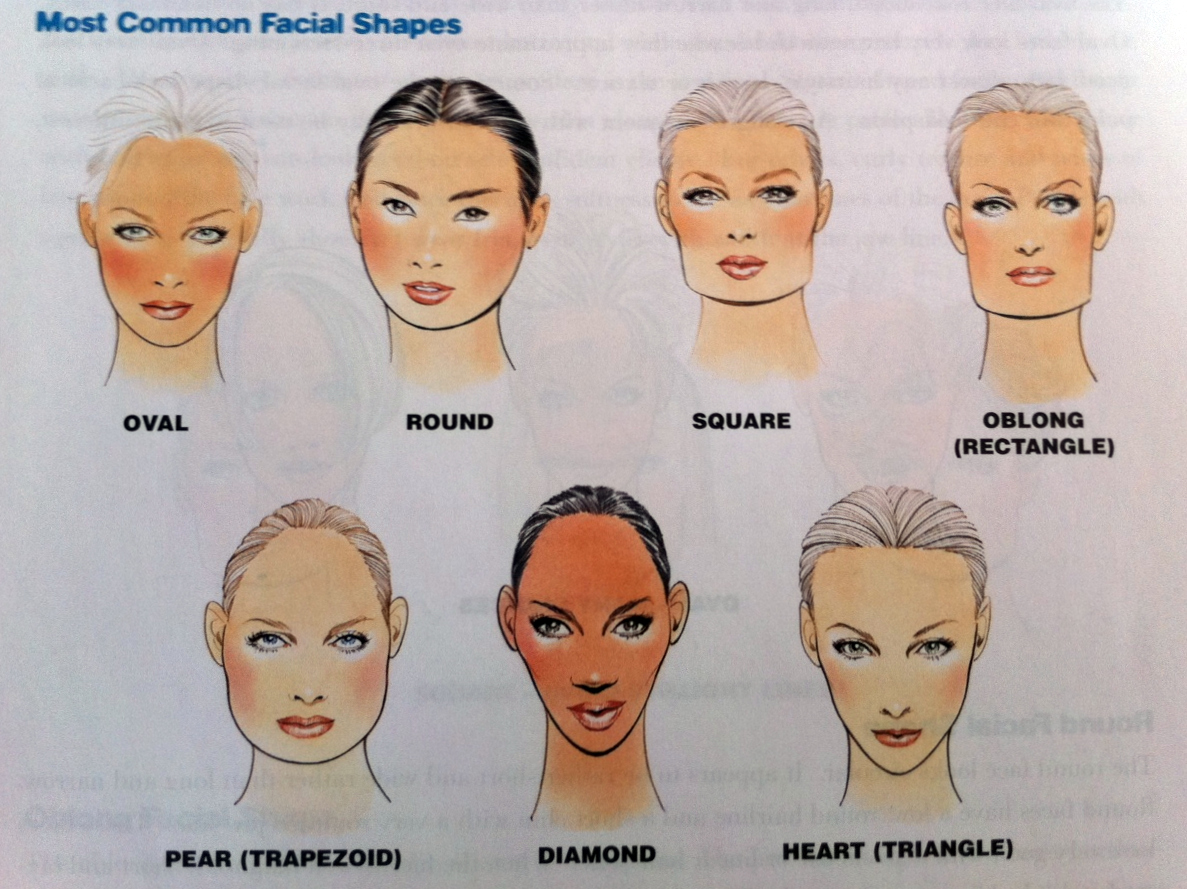 Cuts. on medium length hairstyles 2015 for women diamond face shapehttps://blogger.googleusercontent.com/img/b/R29vZ2xl/AVvXsEgav0Vn0YzO7_7lgnSpvOL7h9JD1ssJWPiZCj1fub4rQHtUWaB1fdpQdSXDY3PbCAt-kbkkckdZPH_XfSsf3wIvHjUq5RADEKKjC1vizOp73BH-GAraeTppSqsOiAZZ0rxCE9lMCgxIZpY/s1600/faceshapes1.jpg
Mid length layers hairstyle for diamond face shape women
A hairstyle, hairdo, or haircut refers to the styling of hair, on the human being scalp usually. Sometimes, this could indicate an editing and enhancing of beard locks also. The fashioning of hair can be considered an element of personal grooming, fashion, and cosmetics, although practical, cultural, and popular considerations effect some hair styles also. The oldest known depiction of hair braiding goes back about 30,000 years. In old civilizations, women's head of hair was often elaborately and carefully dressed in special ways. In Imperial Rome, women used their scalp in complicated styles. From enough time of the Roman Empire[citation needed] before Middle Ages, many women grew their locks as long as it would in a natural way increase. During the Roman Empire as well as in the 16th century under western culture, women began to wear their hair in extremely ornate styles. In the later half of the 15th century and on into the 16th century an extremely high hairline on the forehead was considered attractive. Through the 16th and 15th generations, Western european men wore their locks cropped no longer than shoulder-length. In the first 17th century male hairstyles grew longer, with waves or curls being considered desirable.
The male wig was pioneered by Ruler Louis XIII of France (1601-1643) in 1624. Perukes or periwigs for men were introduced into the English-speaking world with other French styles in 1660. 17th-century wigs were lengthy and wavy late, but became shorter in the mid-18th century, where time these were normally white. Short hair for fashionable men was a product of the Neoclassical movement. In the early 19th century the male beard, and moustaches and sideburns also, made a solid reappearance. From your 16th to the 19th century, European women's scalp became more noticeable while their locks coverings grew smaller. In the center of the 18th century the pouf style developed. During the First World War, women around the global world started to shift to shorter hairstyles that were easier to manage. In the early 1950s women's hair was generally curled and worn in a variety of styles and lengths. In the 1960s, many women started out to wear their hair in a nutshell modern cuts such as the pixie cut, while in the 1970s, head of hair tended to looser be longer and. In both 1960s and 1970s many men and women wore their hair lengthy and straight. In the 1980s, women pulled back their hair with scrunchies. During the 1980s, punk hairstyles were used by some people.
Throughout times, folks have worn their scalp in a multitude of styles, largely determined by the fashions of the culture they live in. Hairstyles are markers and signifiers of social class, age, marital status, racial identification, political beliefs, and attitudes about gender.
In many civilizations, often for religious reasons, women's hair is covered while in public areas, and in a few, such as Haredi Judaism or Western european Orthodox neighborhoods, women's hair is shaved or slice very short, and protected with wigs.Only since the end of World Conflict I have women begun to wear their scalp short and in pretty natural styles.
Paleolithic
- The oldest known duplication of locks braiding lies back again about 30,000 years: the Venus of Willendorf, known in academia as the girl of Willendorf now, of a lady figurine from the Paleolithic, projected to own been made between about 28,000 and 25,000 BCE.The Venus of Brassempouy matters about 25,000 years old and indisputably shows hairstyling.
Bronze Age
- In Bronze Years razors were known and in use by some men, however, not on a regular basis since the treatment was rather upsetting and required resharpening of the tool which reduced its endurance.
Ancient history
- In old civilizations, women's hair was often elaborately and carefully dressed in special ways. Women coloured their mane, curled it, and pinned it up (ponytail) in many ways. They establish their wild hair in waves and curls using moist clay, which they dried out in sunlight and then combed out, if not by by using a jelly manufactured from quince seed products soaked in drinking water, or styling tongs and styling irons of varied kinds.
Roman Empire and Middle Ages
- Between 27 BC and 102 Advertisement, in Imperial Rome, women wore their hair in complicated styles: a mass of curls at the top, or in rows of waves, attracted back into ringlets or braids. Eventually noblewomen's hairstyles grew so complex that they required daily attention from several slaves and a stylist to become maintained. The wild hair was lightened using real wood ash, unslaked lime and sodium bicarbonate, or darkened with copper filings, oak-apples or leeches marinated in wine and vinegar. It had been augmented by wigs, hairpieces and pads, and held set up by nets, pins, combs and pomade. Under the Byzantine Empire, noblewomen covered almost all of their hair with silk pearl and caps nets.
Best Hair Styles For Diamond Face Women
- Women with diamond face form have wider cheekbones and narrow jaw generally. The styling strategy will be quite similar compared to that of heart condition as the facial platform is the same. Only some moderate modifications in the facial skin can be depicted in diamond formed face. Now you can find a number of hairstyles for women with diamond shaped face. Let us take a look at a few of the fascinating hair styles that may be adopted for a number of purposes such for party, official sessions or that of everyday deal. You can also get some idea from your hair stylists to look different and gorgeous in each occasion.
15 photos of the quot;Layered Medium Hairstyles for All Face Shapesquot;
 http://hairjos.com/wp-content/uploads/2015/12/medium-length-hairstyles-oval-face-glasses.jpg
Portanto todas as gordinhas devem apostar num corte de cabelo da moda
 http://www.ionline.com.br/wp-content/uploads/2013/05/cortes-de-cabelos-para-gordinhas-2013.jpg
Oval Face Shape medium Hairstyles for curly hair Formal Medium Curly
 https://s-media-cache-ak0.pinimg.com/736x/21/d7/46/21d7469b8a7cc5a8f9bcc6473d822f22.jpg
Cute Short Bob Hairstyle for Diamond Face Shapes Hairstyles 2014
 http://www.prettydesigns.com/wp-content/uploads/2013/04/Jennifer-Love-Hewitt-bob-hairstyle-for-diamond-shaped-face.jpg
OIP.M05831084359cb5af6c5aac200c960861H0
40DC85AFE68D90FD0703E4E3E823C225AEFA197694http://www.hairweft.us/medium/medium-length-hairstyles-2015-for-women-diamond-face-shape
Embed Our image to your website
ThumbnailImageEmbed Our image to a Forum
ThumbnailImage
Cuts. on medium length hairstyles 2015 for women diamond face shape
 Length Hairstyles. on medium length hairstyles for diamond shape faceshttp://gvenny.com/images/shoulder-length-choppy-layered-haircuts/shoulder-length-choppy-layered-haircuts-00-6.jpg
Mid length layers hairstyle for diamond face shape women
A hair, hairdo, or haircut refers to the styling of hair, on the individual head usually. Sometimes, this could also mean an editing of beard hair. The fashioning of hair can be viewed as an element of personal grooming, fashion, and cosmetics, although practical, cultural, and popular factors influence some hairstyles also. The oldest known depiction of hair braiding goes back about 30,000 years. In ancient civilizations, women's wild hair was often elaborately and carefully dressed up in special ways. In Imperial Rome, women wore their wild hair in complicated styles. From the time of the Roman Empire[citation needed] until the Middle Ages, the majority of females grew their hair as long as it could develop in a natural way. Through the Roman Empire as well as in the 16th century under western culture, women started to wear their hair in extremely ornate styles. Within the later half of the 15th century and on in to the 16th century a very high hairline on the forehead was considered attractive. Through the 15th and 16th centuries, Western men used their mane cropped no than shoulder-length much longer. In the early 17th century male hairstyles grew longer, with waves or curls being considered desirable.
The male wig was pioneered by King Louis XIII of France (1601-1643) in 1624. Perukes or periwigs for men were unveiled into the English-speaking world with other French styles in 1660. Late 17th-century wigs were very long and wavy, but became shorter in the mid-18th century, by which time these were white normally. Short hair for fashionable men was something of the Neoclassical movement. In the early 19th century the man beard, and moustaches and sideburns also, made a strong reappearance. From your 16th to the 19th hundred years, European women's scalp became more visible while their head of hair coverings grew smaller. In the middle of the 18th century the pouf style developed. During the First World War, women around the world started to shift to shorter hairstyles that were easier to manage. In the early 1950s women's hair was generally curled and worn in a number of styles and lengths. In the 1960s, many women commenced to wear their head of hair in a nutshell modern cuts such as the pixie cut, while in the 1970s, scalp tended to looser be much longer and. In both the 1960s and 1970s a lot of men and women used their wild hair very right and long. Inside the 1980s, women pulled back their hair with scrunchies. Through the 1980s, punk hair styles were implemented by some communal people.
Throughout times, people have worn their scalp in a multitude of styles, determined by the fashions of the culture they stay in largely. Hairstyles are markers and signifiers of social class, age, marital status, racial identification, political beliefs, and attitudes about gender.
In many cultures, often for religious reasons, women's hair is covered while in public areas, and in a few, such as Haredi Judaism or Western european Orthodox communities, women's mane is shaved or cut very brief, and protected with wigs.Only since the end of World War I've women begun to wear their mane short and in quite natural styles.
Paleolithic
- The oldest known duplication of hair braiding lies again about 30,000 years: the Venus of Willendorf, now known in academia as the girl of Willendorf, of a female figurine from the Paleolithic, believed to own been made between about 28,000 and 25,000 BCE.The Venus of Brassempouy matters about 25,000 years of age and indisputably shows hairstyling.
Bronze Age
- In Bronze Age razors were known and in use by some men, but not on a daily basis since the technique was rather unpleasant and required resharpening of the tool which reduced its strength.
Ancient history
- In old civilizations, women's locks was often elaborately and carefully dressed up in special ways. Women colored their locks, curled it, and pinned it up (ponytail) in a variety of ways. They establish their wild hair in waves and curls using damp clay, that they dried in sunlight and combed out then, if not by utilizing a jelly manufactured from quince seeds soaked in water, or curling tongs and curling irons of varied kinds.
Roman Empire and DARK AGES
- Between 27 BC and 102 Advertising, in Imperial Rome, women wore their hair in complicated styles: a mass of curls on top, or in rows of waves, drawn back to braids or ringlets. Eventually noblewomen's hairstyles grew so complex that they required daily attention from several slaves and a stylist in order to be maintained. The wild hair was lightened using solid wood ash, unslaked lime and sodium bicarbonate, or darkened with copper filings, oak-apples or leeches marinated in vinegar and wines. It was augmented by wigs, hairpieces and pads, and held set up by nets, pins, pomade and combs. Beneath the Byzantine Empire, noblewomen covered most of their hair with silk caps and pearl nets.
Best HAIRSTYLES For Diamond Face Women
- Women with diamond face condition generally have wider cheekbones and narrow jaw. The styling strategy will be quite similar compared to that of heart shape as the facial platform is the same. Only some small modifications in the face can be depicted in diamond formed face. You can now find a number of hairstyles for girls with diamond shaped face. Let us take a look at some of the fascinating hairstyles that can be adopted for a number of purposes such for party, official trips or that of informal deal. You can also get some basic idea from your hair stylists to look different and beautiful in each occasion.
Cute Short Bob Hairstyle for Diamond Face Shapes Hairstyles 2014
http://www.prettydesigns.com/wp-content/uploads/2013/04/Jennifer-Love-Hewitt-bob-hairstyle-for-diamond-shaped-face.jpg26. Wispy 27 Flattering Hairstyles for round Faces → 💇 Hair
 http://img.allw.mn/content/gc/pb/ym8j5q4g.jpg
layered hairstyle but it has more edgy ends. choppy hairstyle 2012
 http://gvenny.com/images/multi-layer-haircut/multi-layer-haircut-86.jpg
longlayeredhairstylewithbangshairstylefordiamondface
 http://hairstyleforwomen.net/wp-content/uploads/2016/01/long-layered-hairstyle-with-bangs-hairstyle-for-diamond-face.jpg
OIP.M23df91e72d2658236de46ec20ac882e3H1
2147048A1253BCEAAA80F8A3AA417366F6556BAF97http://www.hairweft.us/medium/medium-length-hairstyles-for-diamond-shape-faces
Embed Our image to your website
ThumbnailImageEmbed Our image to a Forum
ThumbnailImage
Length Hairstyles. on medium length hairstyles for diamond shape faces
 Hair. on medium length hairstyles 2015 for women diamond face shapehttp://images.fashionnstyle.com/data/images/full/138692/emma-roberts.jpg
Mid length layers hairstyle for diamond face shape women
A hairstyle, hairdo, or haircut identifies the styling of hair, usually on the human scalp. Sometimes, this could also mean an editing of beard hair. The fashioning of hair can be considered an element of personal grooming, fashion, and cosmetics, although practical, cultural, and popular factors impact some hairstyles also. The oldest known depiction of hair braiding dates back about 30,000 years. In historic civilizations, women's mane was often elaborately and carefully dressed up in special ways. In Imperial Rome, women used their scalp in complicated styles. From the time of the Roman Empire[citation needed] until the Middle Ages, the majority of females grew their mane as long as it could normally grow. During the Roman Empire as well as in the 16th century in the western world, women started to wear their hair in extremely ornate styles. Within the later half of the 15th century and on in to the 16th century a very high hairline on the forehead was considered attractive. During the 16th and 15th centuries, European men wore their hair cropped no than shoulder-length longer. In the early 17th century male hairstyles grew longer, with curls or waves being considered appealing.
The male wig was pioneered by King Louis XIII of France (1601-1643) in 1624. Periwigs or perukes for men were released into the English-speaking world with other French styles in 1660. 17th-century wigs were lengthy and wavy late, but became shorter in the mid-18th century, where time they were normally white. Short hair for fashionable men was something of the Neoclassical movement. In the early 19th hundred years the men beard, and moustaches and sideburns also, made a strong reappearance. Through the 16th to the 19th hundred years, European women's wild hair became more visible while their mane coverings grew smaller. In the middle of the 18th century the pouf style developed. During the First World Warfare, women around the world started to shift to shorter hairstyles that were better to manage. In the first 1950s women's hair was generally curled and worn in a variety of styles and lengths. In the 1960s, many women commenced to wear their locks in a nutshell modern cuts like the pixie cut, while in the 1970s, scalp tended to be much longer and looser. In both 1960s and 1970s a lot of men and women wore their hair lengthy and straight. In the 1980s, women pulled back their hair with scrunchies. Through the 1980s, punk hairstyles were adopted by some cultural people.
Throughout times, folks have worn their hair in a multitude of styles, determined by the fashions of the culture they stay in largely. Hairstyles are markers and signifiers of social class, age, marital status, racial identification, political beliefs, and attitudes about gender.
In many civilizations, for religious reasons often, women's mane is protected while in public areas, and in a few, such as Haredi Judaism or European Orthodox neighborhoods, women's wild hair is shaved or trim very brief, and covered with wigs.Only because the end of World Warfare I have women begun to wear their wild hair short and in reasonably natural styles.
Paleolithic
- The oldest known duplication of locks braiding lies back again about 30,000 years: the Venus of Willendorf, known in academia as the girl of Willendorf now, of a lady figurine from the Paleolithic, approximated to possess been made between about 28,000 and 25,000 BCE.The Venus of Brassempouy counts about 25,000 yrs . old and indisputably shows hairstyling.
Bronze Age
- In Bronze Get older razors were known and in use by some men, however, not on a regular basis since the method was rather unpleasant and required resharpening of the tool which reduced its stamina.
Ancient history
- In historical civilizations, women's scalp was often elaborately and carefully dressed in special ways. Women coloured their scalp, curled it, and pinned it up (ponytail) in many ways. They placed their scalp in waves and curls using moist clay, which they dried out in the sun and then combed out, or else by utilizing a jelly made of quince seed products soaked in drinking water, or curling tongs and styling irons of varied kinds.
Roman Empire and Middle Ages
- Between 27 BC and 102 AD, in Imperial Rome, women used their hair in complicated styles: scores of curls on top, or in rows of waves, attracted back to braids or ringlets. Eventually noblewomen's hairstyles grew so complex that they required daily attention from several slaves and a stylist in order to be maintained. The hair was often lightened using solid wood ash, unslaked lime and sodium bicarbonate, or darkened with copper filings, oak-apples or leeches marinated in wine beverage and vinegar. It was augmented by wigs, hairpieces and pads, and held set up by nets, pins, pomade and combs. Under the Byzantine Empire, noblewomen covered most of their hair with silk pearl and caps nets.
Best HAIRSTYLES For Diamond Face Women
- Women with diamond face condition have wider cheekbones and narrow jaw generally. The styling strategy will be quite similar to that of heart shape as the facial platform is the same. Only some small alterations in the real face can be depicted in diamond molded face. You can now find a number of hairstyles for females with diamond shaped face. Why don't we have a look at a few of the fascinating hairstyles that can be adopted for a variety of purposes such for party, official sessions or that of informal deal. You can also get some idea from your hair stylists to look different and stunning in each occasion.
Hairstyles Medium Length Haircuts. on long bob with bangs hairstyles
 http://gvenny.com/images3/hairstyles-double-chin/hairstyles-double-chin-75_3.jpg
layeredmediumlengthhairstyleforwomenwithroundfaceshape.jpeg
 http://women-hair-styles.com/wp-content/uploads/2013/12/straight-layered-medium-length-hairstyle-for-women-with-round-face-shape.jpeg
Mora: Pollina, Fleco o Flequillo para cada tipo de Rostro
 http://4.bp.blogspot.com/-TtAyrTE1zN4/UB0-lMMbTGI/AAAAAAAABTA/E1IXAVZSvYQ/s1600/Mandy%2BMoore%2Bhaircut.jpg
layeredmediumlengthhairstyleforwomenwithroundfaceshape.jpeg
http://women-hair-styles.com/wp-content/uploads/2013/12/straight-layered-medium-length-hairstyle-for-women-with-round-face-shape.jpegOIP.M2885a12779ceb1d617f80fe8a4da9d92o1
15DC85AFE68D90FD0703E4D324393A039575E46B7Chttp://www.hairweft.us/medium/medium-length-hairstyles-2015-for-women-diamond-face-shape
Embed Our image to your website
ThumbnailImageEmbed Our image to a Forum
ThumbnailImage
Hair. on medium length hairstyles 2015 for women diamond face shape
 hairstyles for diamond shaped faces. Diamond face shapes with bangshttp://beautyhealth.tips/wp-content/uploads/2016/04/Medium-hair-with-side-bangs-hairstyle.jpg
Side bangs with thin hairstyle for diamond face shape women
A hairstyle, hairdo, or haircut refers to the styling of head of hair, usually on the individuals head. Sometimes, this may mean an editing and enhancing of beard scalp also. The fashioning of hair can be viewed as an aspect of personal grooming, fashion, and cosmetics, although practical, cultural, and popular considerations also influence some hairstyles. The oldest known depiction of hair braiding dates back about 30,000 years. In early civilizations, women's head of hair was often elaborately and carefully dressed in special ways. In Imperial Rome, women used their head of hair in complicated styles. From the time of the Roman Empire[citation needed] until the Middle Ages, many women grew their hair as long as it would increase obviously. During the Roman Empire as well as in the 16th century in the western world, women started to wear their hair in extremely ornate styles. Within the later half of the 15th century and on in to the 16th century an extremely high hairline on the forehead was considered attractive. During the 15th and 16th ages, Western european men wore their scalp cropped no longer than shoulder-length. In the first 17th century male hairstyles grew longer, with curls or waves being considered suitable.
The male wig was pioneered by King Louis XIII of France (1601-1643) in 1624. Periwigs or perukes for men were released into the English-speaking world with other French styles in 1660. Late 17th-century wigs were lengthy and wavy, but became shorter in the mid-18th century, where time these were normally white. Short hair for fashionable men was something of the Neoclassical movement. In the first 19th hundred years the guy beard, and also moustaches and sideburns, made a solid reappearance. From your 16th to the 19th century, European women's locks became more visible while their mane coverings grew smaller. In the middle of the 18th hundred years the pouf style developed. During the First World War, women around the world started to shift to shorter hairstyles that were easier to manage. In the first 1950s women's hair was generally curled and worn in a variety of styles and lengths. In the 1960s, many women started to wear their hair in short modern cuts including the pixie cut, while in the 1970s, wild hair tended to be much longer and looser. In both 1960s and 1970s many men and women wore their hair lengthy and straight. In the 1980s, women pulled back their hair with scrunchies. During the 1980s, punk hairstyles were followed by some individuals.
Throughout times, folks have worn their head of hair in a multitude of styles, determined by the fashions of the culture they live in largely. Hairstyles are markers and signifiers of social class, age, marital status, racial identification, political beliefs, and attitudes about gender.
In many ethnicities, often for religious reasons, women's mane is covered while in public, and in some, such as Haredi Judaism or Western european Orthodox communities, women's wild hair is shaved or lower very short, and protected with wigs.Only since the end of World Conflict I've women begun to wear their mane brief and in quite natural styles.
Paleolithic
- The oldest known duplication of locks braiding lies back again about 30,000 years: the Venus of Willendorf, now known in academia as the Woman of Willendorf, of a female figurine from the Paleolithic, predicted to possess been made between about 28,000 and 25,000 BCE.The Venus of Brassempouy matters about 25,000 years old and indisputably shows hairstyling.
Bronze Age
- In Bronze Years razors were known and in use by some men, but not on a regular basis since the method was rather unpleasant and required resharpening of the tool which reduced its strength.
Ancient history
- In historic civilizations, women's head of hair was often elaborately and carefully dressed up in special ways. Women coloured their scalp, curled it, and pinned it up (ponytail) in many ways. They set in place their locks in curls and waves using damp clay, that they dried in sunlight and then combed out, or else by utilizing a jelly made of quince seed products soaked in drinking water, or styling tongs and curling irons of varied kinds.
Roman Empire and DARK AGES
- Between 27 BC and 102 Advertising, in Imperial Rome, women used their scalp in complicated styles: a mass of curls on top, or in rows of waves, attracted back to braids or ringlets. Eventually noblewomen's hairstyles grew so complex that they required daily attention from several slaves and a stylist to become maintained. The wild hair was lightened using solid wood ash, unslaked lime and sodium bicarbonate, or darkened with copper filings, oak-apples or leeches marinated in wines and vinegar. It had been augmented by wigs, hairpieces and pads, and held in place by nets, pins, pomade and combs. Beneath the Byzantine Empire, noblewomen covered most of their hair with silk caps and pearl nets.
Best HAIRSTYLES For Diamond Face Women
- Women with diamond face condition have wider cheekbones and narrow jaw generally. The styling strategy will be quite similar to that of heart condition as the facial platform is the same. Only some small modifications in the real face can be depicted in diamond formed face. Now you can find a variety of hairstyles for females with diamond shaped face. Let us take a look at a few of the fascinating hairstyles that may be adopted for a variety of purposes such for party, official appointments or that of casual deal. You can also get some basic idea from your hair stylists to look different and gorgeous in each occasion.
LIv Tyler Oblong Face Shape with side bangs and voluminous layers
 http://www.lightintheboxblog.com/wp-content/uploads/2012/11/liv-tyler-oblong-face-shape.png
PixieHaircutwithLongBangsShortHairstylesforLongFaceShape
 http://www.capellistyle.it/wp-content/uploads/2015/01/Pixie-Haircut-with-Long-Bangs-Short-Hairstyles-for-Long-Face-Shape.jpg
SassyTo39;s Blog.: Curvy yet not complimentary!
 https://blogger.googleusercontent.com/img/b/R29vZ2xl/AVvXsEiCKjVJoK2HtiYO8RDsbA6sFTWain7-zgTGLkUyuTE45is4CArg2XZggOPkWBgLFaUXszMoMof1KePvwFe6jioEh8kMkWzhIdU_jXWOIHslPImqpLA8Hobivz_Ki-ICwqkzJs2YlKtGRZw/s1600/VSWEJrRTtrt-qcU3wZ5SMePyr--6b-gZoqfKTVdGVxLlWXP5rZKuAMVxUwwRYUF5kjcXaxaxnOtT572xFZ_ntlztVNTurIsrGxe_GVB1oHTsgoGEK1vK3jR94RLwTNWCGbLzi-imaCJ6F3U2h_va8nm__uK2nVErvgU=w443-h591-nc.jpeg
heartshapedfacesbestandworsthaircutsforheartshaped
 http://wearandcheer.com/wp-content/uploads/2015/03/heart-shaped-faces-best-and-worst-haircuts-for-heart-shaped-wearandcheer.com_.jpg
OIP.M7907af40404b0ee23c0ab25f61dcb6bco1
2676AE61D1395DB82068AAB6BEF7B54A08FE3D123Chttp://beautyhealth.tips/best-hairstyles-for-diamond-face-shape-women/
Embed Our image to your website
ThumbnailImageEmbed Our image to a Forum
ThumbnailImage


